


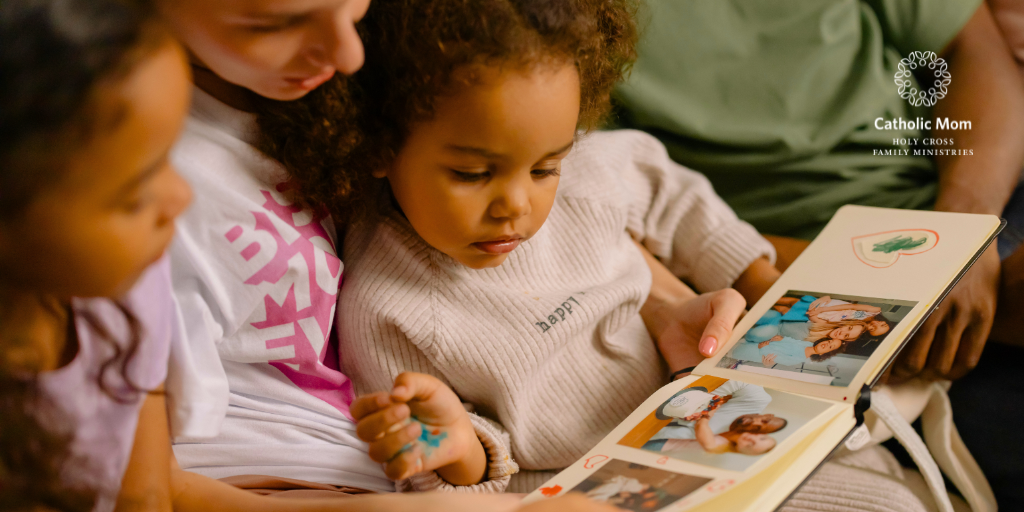
Elena LaVictoire discusses the importance of archiving stories, traditions, and mementos to share with future generations and encourage them in prayer for their ancestors.
Remember the days of old,
Consider the years of generations past.
Ask your father, he will inform you,
Your elders, they will tell you. (Deuteronomy 32:7)
I read the strangest thing in a Substack article a few days ago. The author said something along the lines of: "The most effective parents are those who will be forgotten within two generations."
I guess it bothered me for a couple of reasons. First, I gave my children family names, and I talked to my children about the folks they were named after. I did that because I want them to understand their family history and why it is as important as knowing their genealogy. Stories of hard times, good times, kindness, and even trauma are important. So, I am remembering stories of my great-grandparents to my children, and that is certainly a lot more than two generations!
I think it also bothered me because I do not think it is in our nature to wish to be forgotten. Human beings seem to have an inherent desire to preserve and remember the events of their lives. From cavemen recording great hunts and events on their walls with primitive art to modern-day galleries, libraries, documentaries, and smartphones, people value the ability to save and document life and events.
The Prosthetic Memory
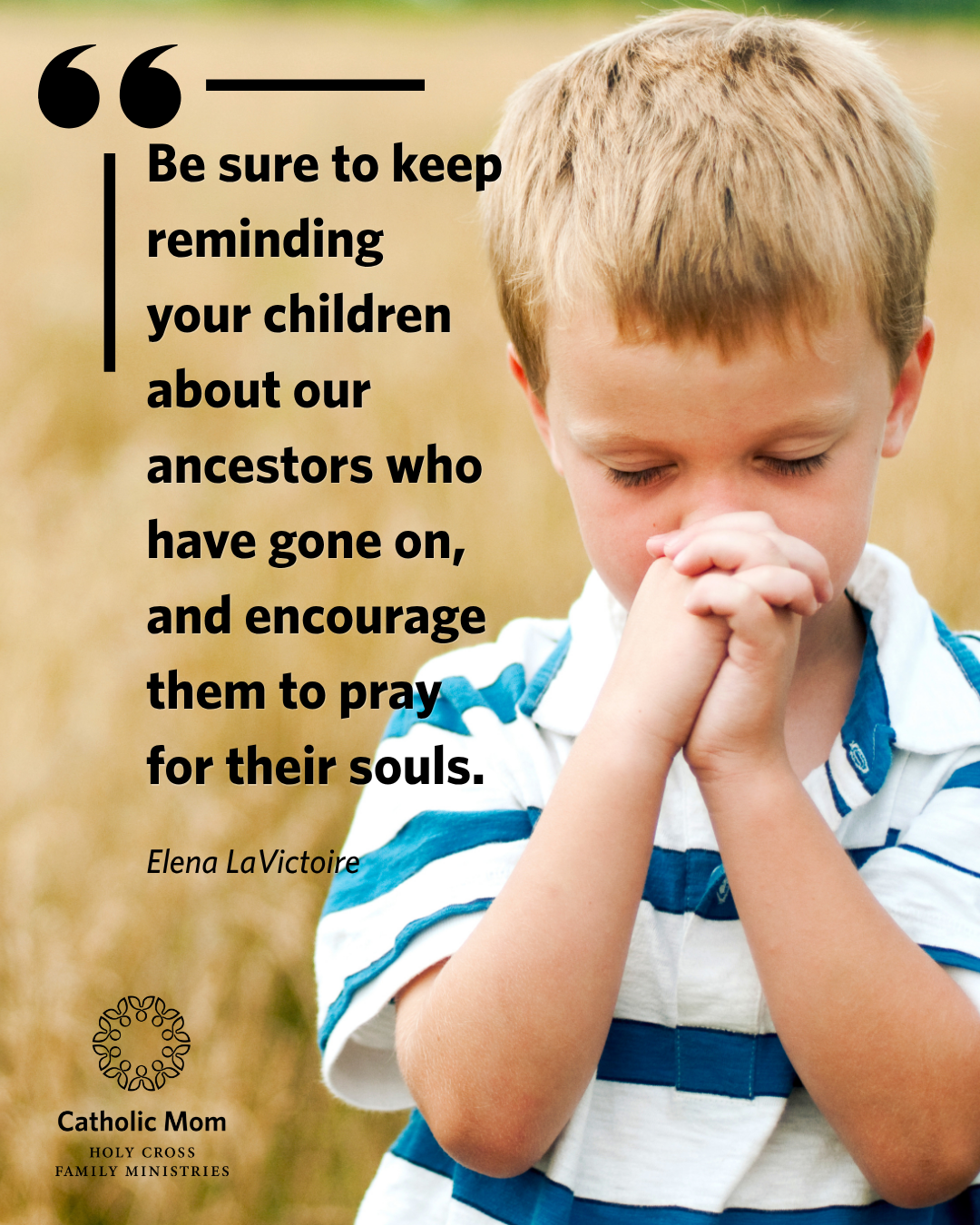
The human memory is deficient and fleeting. What happened a day, month, or year ago fades as time marches onward. Out of that comes the human desire to create records and save memories. In his work Archive Fever, A Freudian Impression, Jacques Derrida (1930 – 2004) wrote that we rely on the archive as a prosthetic memory. It is a return to origin, homesickness, and nostalgia. Derrida called this need to save and curate “Archive Fever.” Derrida’s analysis of Freud’s writings is that this intense desire to accumulate and preserve our stories, art, and artifacts comes from an intuitive need to do so. Freud referred to this as the death drive. Derrida presented the archive as looking to the past for closure. It also involves a debt towards the past and an inheritance for the future.
And who is the biggest guardian of archiving memories? The Catholic Church! The Catholic Church excels in saving stories. The Bible is a collection of the earliest Hebrew stories and stories of early Christianity told from the perspective of many different authors. Its architecture and windows portray the Bible stories and lives of the saints.
We Are Encouraged to Remember
Throughout the year, as Catholics, we remember the feasts of saints who lived outstanding lives of faith but died many years ago. The Church continues to ask us to remember and learn.
But more than that, we are encouraged to pray for our deceased family, friends, and neighbors. This is why holy cards are given out at funeral homes and during viewing hours. It is to keep the deceased in our minds and in our prayers! That should be especially true for our parents and grandparents, and this month especially our moms and grandmas. I would argue that truly effective Catholic parents would have “trained us up” to want to remember them and to pass on these stories to our children so that they will continue to have prayers said for them decades later.
Keeping Your Own Archives
There are simple ways to keep our memories and pass them on to our children and grandchildren. You are probably already doing many of them! If you have a cell phone and take photos to share on social media, that is a way of archiving! Be sure to back those up and have them saved in some kind of order, whether chronologically or in some other way.
Not all archives are in pictures and albums. Some of the best archives are the ones we pass on in our family stories and traditions. Examples of that might be the story of how mom and dad met, special traditions we share on holidays like Mother’s Day, or little mementos we keep to remember special days and times.
Share family stories about how Grandma and Grandpa met, or what the kids were like as babies, and write some of these stories down for a rainy day. My youngest daughter collects silly things we say and then quotes them back to us during parties or dinners. They are usually hilarious and everyone enjoys them.
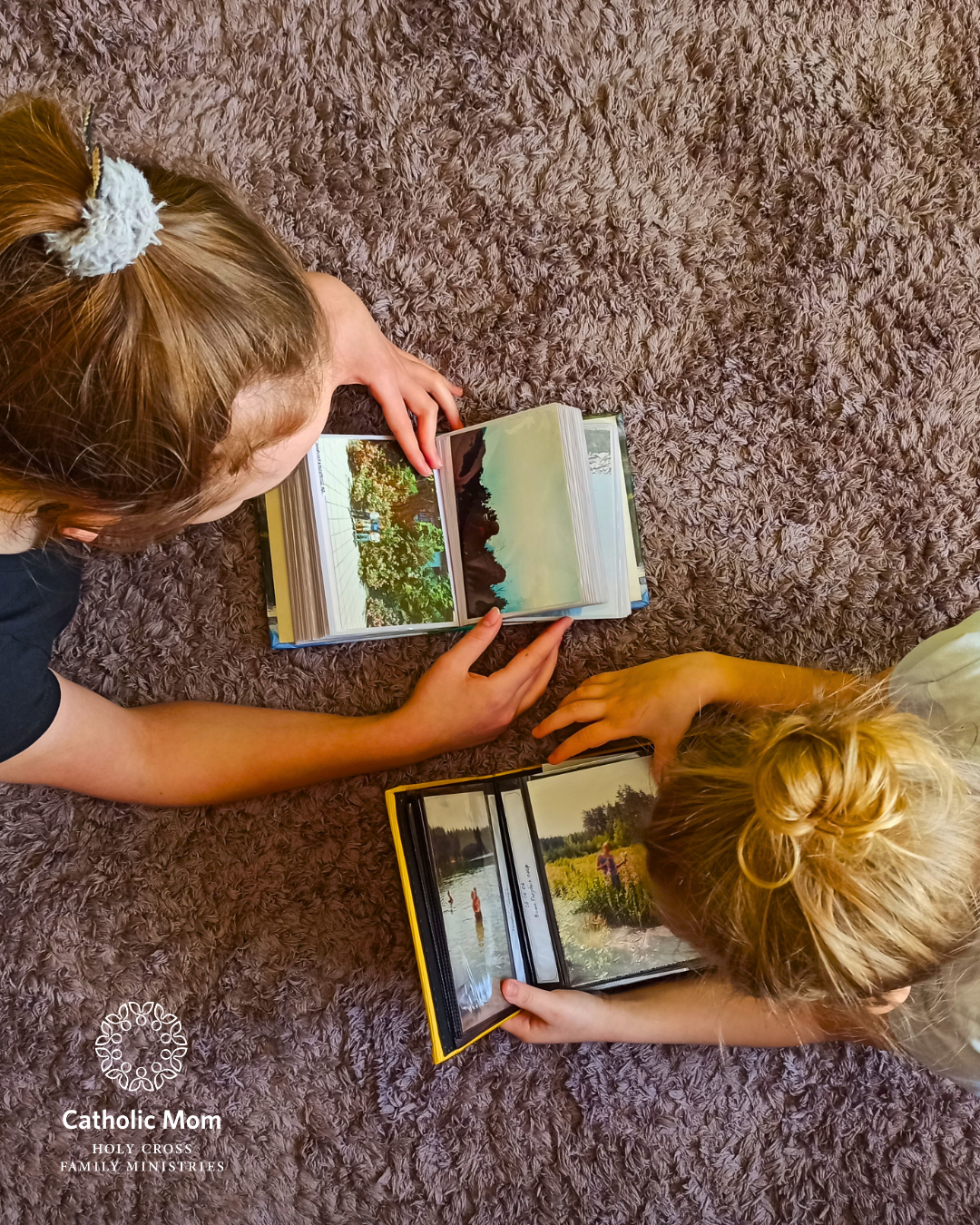
But be sure to keep reminding your children about our ancestors who have gone on, and encourage them to pray for their souls. Particularly in May, when we remember our moms, make sure to honor those memories. Maybe it’s by sharing one of Mom’s special recipes or visiting the gravesite. It might even be sharing a favorite song or movie. Doing these things in memory will enrich your current family life and also keeps our loved ones who have passed in our thoughts and prayers — and that’s a very Catholic and important practice to keep!
Share your thoughts with the Catholic Mom community! You'll find the comment box below the author's bio and list of recommended articles.
Copyright 2026 Elena LaVictoire
Images: Canva


About the Author


.png?width=1806&height=731&name=CatholicMom_hcfm_logo1_pos_871c_2728c%20(002).png "CatholicMom_hcfm_logo1_pos_871c_2728c (002)")


Comments