


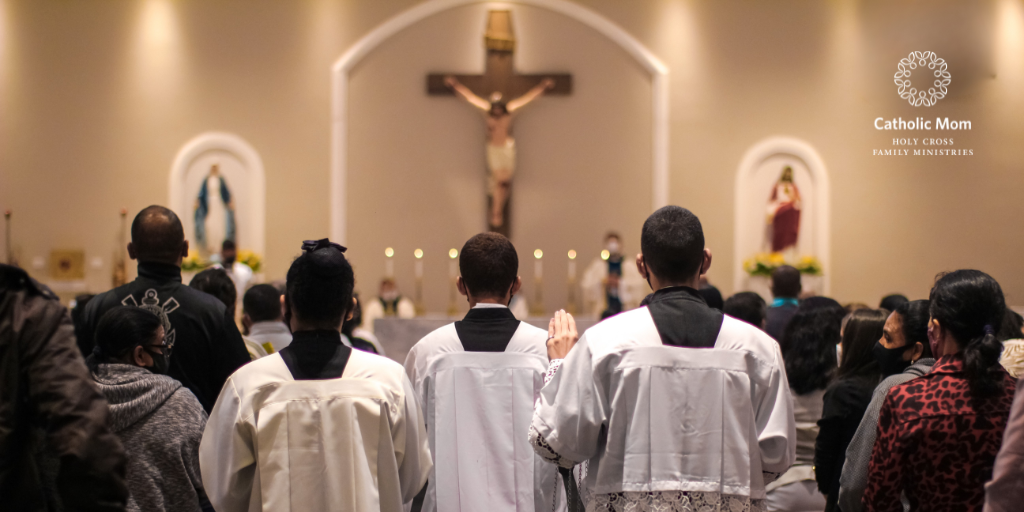
Out of a desire for church communities to thrive, Kathie Scott-Avery explores ways we can boost the friendliness factor of our parishes.
According to numerous “expert” groups, I live in one of the most unfriendly states in the US. For everything from vacationing to relocating, these analysts recommend my homebase be avoided. Admittedly, there are things I grumble about regarding my locale, but a lack of friendliness has never been one.
However, it did get me thinking. As Catholic churches close in my diocese while parishes are thriving elsewhere, I wondered if the friendliness factor may be at play.
Nailing down a list of sociable characteristics is a bit elusive, but here are ideas for creating a more welcoming vibe.
Disposition
Friendliness — sometimes considered a characteristic reserved for extroverts — is actually manifested across personality types. None of us are off the hook! It may have different faces, but it is simply part of good manners. Those, in turn, are rooted in virtue — most notably charity.
And that’s a gift we can and should ask for in abundance. Praying for the grace to be increasingly charitable may reveal strengths we can build on as well as particular obstacles we need to overcome. Someone may, for example, have a generous heart but lack confidence to reach out. No matter where we are on the friendliness scale, all of us can improve.
Meanwhile, even as we work on growing, there are actions we can take.
Behavior
Watch Your (Body) Language
Before a single word is uttered, body language can send a warm or hostile message. A genuine smile, uncrossed arms, and relaxed eye contact are basics of an amiable manner. In conversation, nodding attentively as a person speaks demonstrates interest and respect.
Participate in Mass
Nothing says “this parish is alive” like having the folks in the pews actively engaged during Mass. When parishioners do their part, it signals that this is a place where individuals are comfortable coming together to enthusiastically celebrate the Faith. The joy is contagious.
Search for Connections
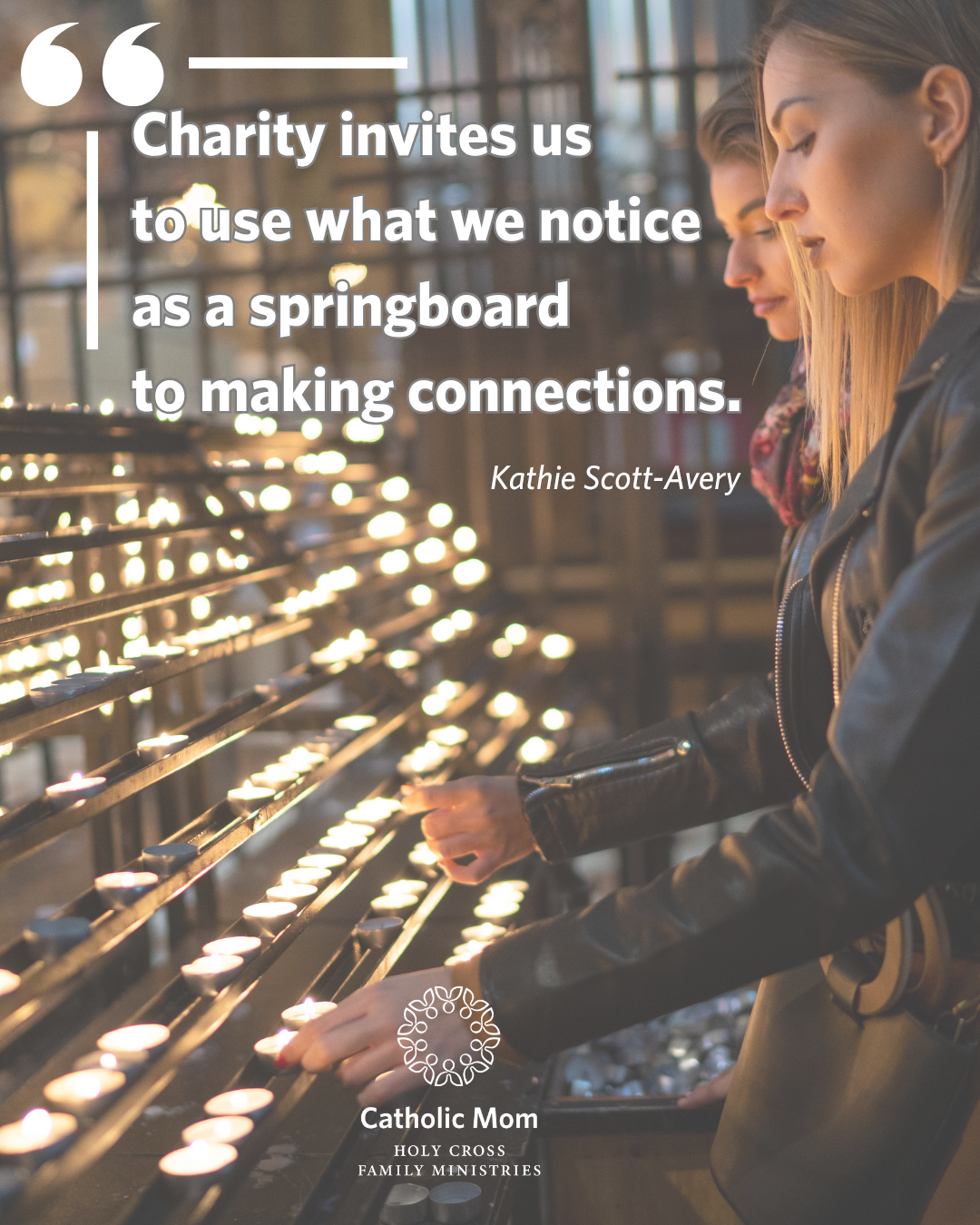
We’re always taking note of our surroundings but often keep observations to ourselves. Charity invites us to use what we notice as a springboard to making connections. Look for a similarity (family size?), familiarity (works at your bank?), something to compliment (singing voice?), or something to inquire about (broken leg?) … and speak up when the time is right. Simple pleasantries often lead to lengthier conversations and, ultimately, to a stronger community.
Take Initiative
While a timely observation can provide a bridge for making a connection, taking initiative often involves starting from scratch. With the typically short distance between church and parking lot, we must act quickly to seize opportunities for a brief chat. Here, neutral topics and mild comments provide easy ice-breakers even amongst strangers. Think weather, church news, local events.
Out in the community, find chances for introducing others to your parish. Speak positively about the Church, and yours in particular. If you sense that someone is struggling or searching to deepen their understanding about or relationship with God, invite them to church. However appropriate, whether by direct one-on-one contact or posting Church-generated flyers (or any method in between), let people know what’s going on so they know they are welcome.
Be Responsive
Responding to someone else taking the initiative is another way to establish connections. Minimally return smile for smile or “up the ante” with a friendly comment. In addition, every parish committee or group needs members to flourish; join one that interests you.
If Mass is followed by coffee hour, go. And sit with people you don’t know well or yet. The same goes for other Church events. If a person is attending alone, your cheerful introduction can change the whole experience for them.
Being responsive to needs of your parish may lead to suggesting initiatives that help build a welcoming atmosphere. While these may require approval and structure, you may be the spark that ignites new ministries (such as Mass greeters or a group for transporting non-drivers to Mass), socials (such as coffee hours or parish picnics), or events (such as classes or retreats).
One final aspect of responsiveness is being alert to cues. Be mindful if your approach, rather than being the invitation to interact that you intend, is perceived as overbearing. Respect people’s space, both physically and conversationally. If, for example, they take a step back, give vague responses, or keep looking away, chances are you’re coming on too strong for their liking.
Make a Commitment to Friendliness
Increasing the friendly factor of a parish is an investment in its future. Mulling over these possibilities challenges me to commit to setting measurable goals, such as reaching outside my social circle at least once per week. Likewise, I hope it will inspire you to make a resolution to support or increase your parish’s friendliness score, no matter what state you live in!
Share your thoughts with the Catholic Mom community! You'll find the comment box below the author's bio and list of recommended articles.
Copyright 2026 Kathie Scott-Avery
Images: Canva


About the Author


.png?width=1806&height=731&name=CatholicMom_hcfm_logo1_pos_871c_2728c%20(002).png "CatholicMom_hcfm_logo1_pos_871c_2728c (002)")


Comments