



Sarah Pedrozo encourages moms to take advantage of the slower pace of summertime by strengthening their child’s imaginations and having faith conversations.
It’s summertime! With its relaxed schedule, summer offers us the perfect time to do something special: cut down on (or cut out) screen time and foster our kids’ imaginations.
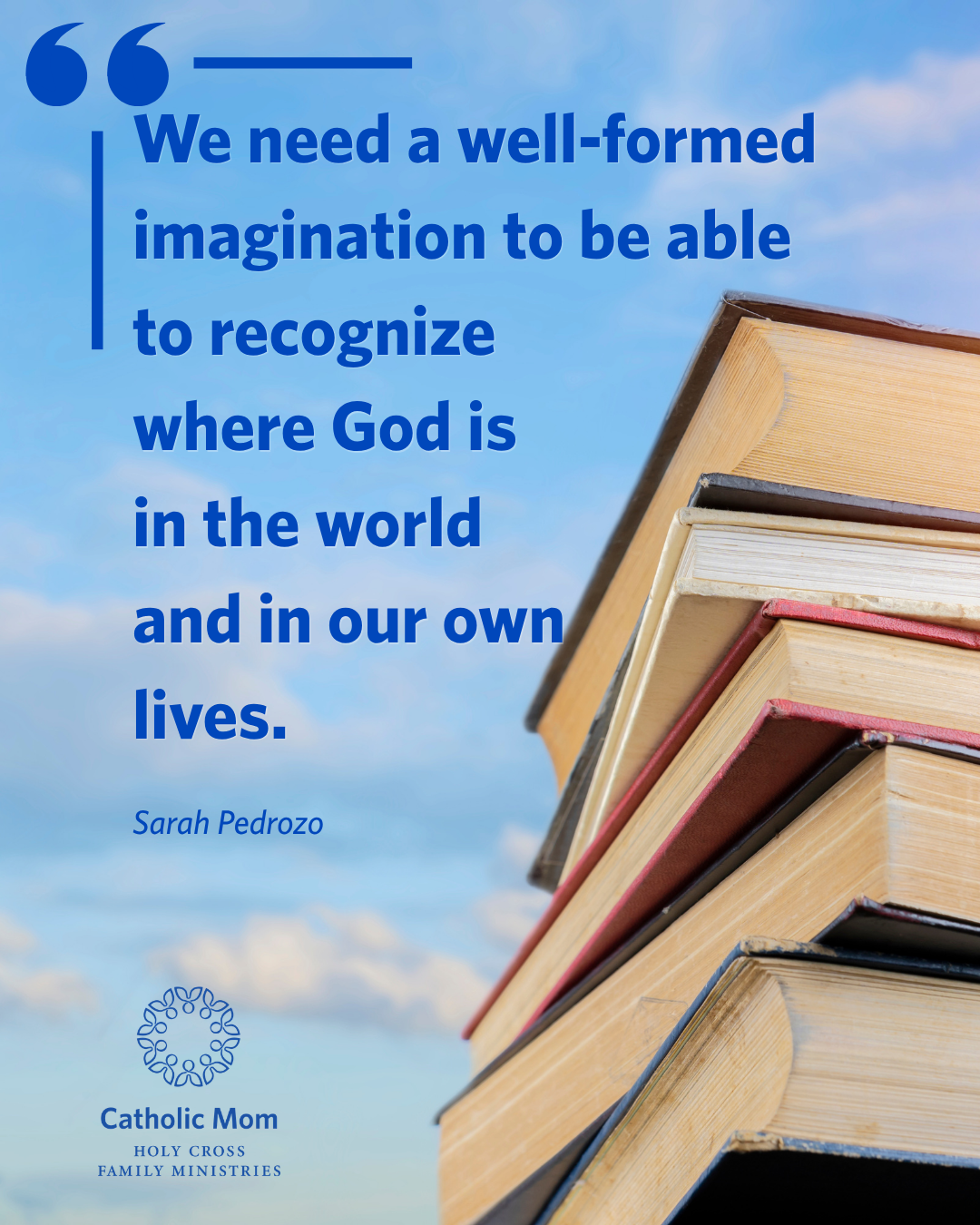
The imagination is one of God’s best gifts given to us, and, like all of our faculties, it needs to be formed. Saint John Henry Newman, our newest Doctor of the Church, taught that the imagination is the “prime instrument of religious perception.” In other words, we need a well-formed imagination to be able to recognize where God is in the world and in our own lives. In fact, Newman believed that the imagination was critical to developing a real life of faith, an interior relationship with God that would last and grow through a lifetime.
A Book Can Stretch the Imagination
During the summer months, one of the best and easiest ways to develop a healthy imagination is through reading good books, including (maybe especially) children’s books.
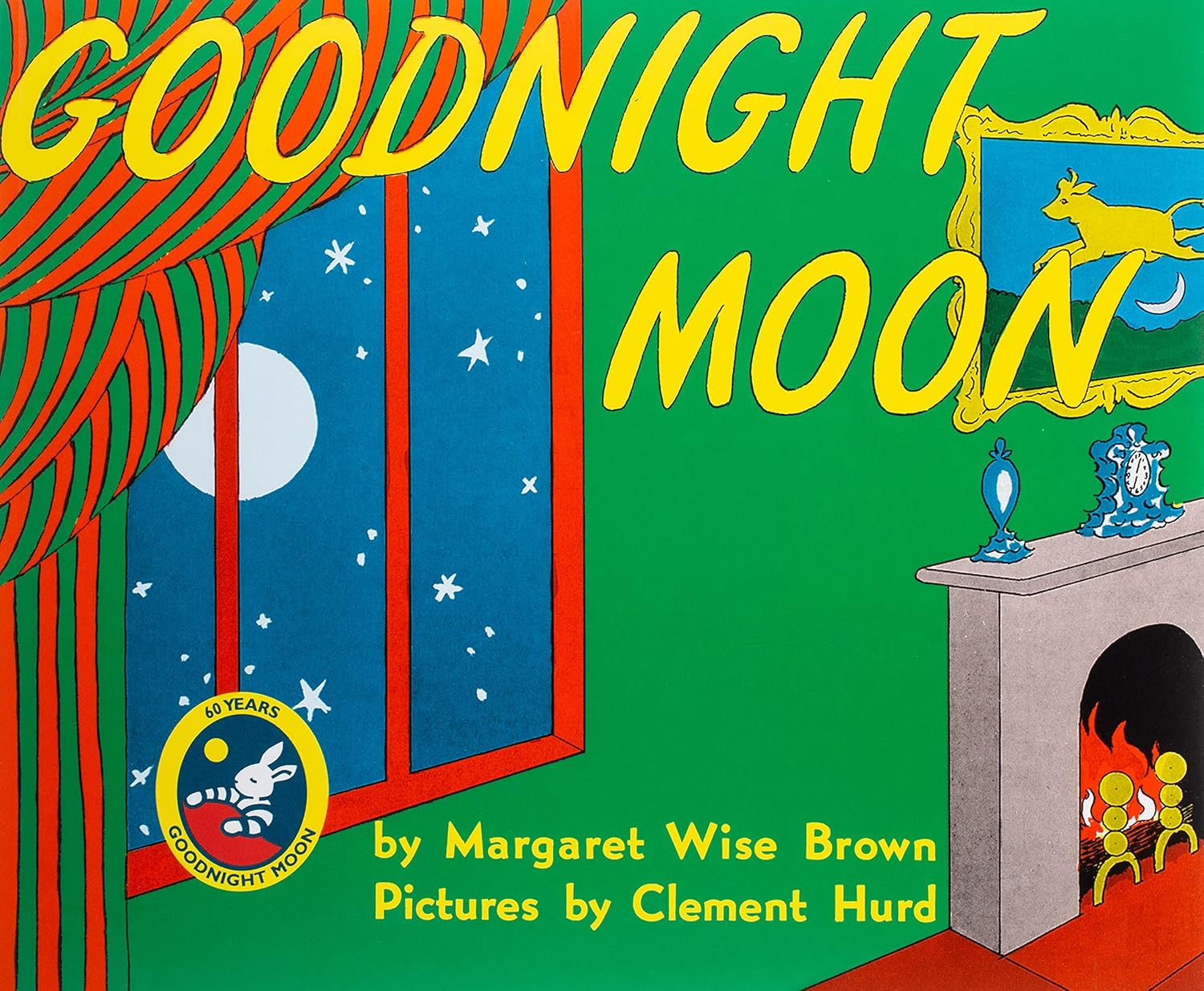
Let’s use a well-known children’s book as an example — Goodnight Moon.
I've always loved this story, and a quick check online told me that this little book, written by Margaret Wise Brown and published in 1947 by Harper & Brothers, has sold close to 50 million copies and has been translated into at least 13 languages.
As a parent who read this book over and over to my own children, I can name at least two powerful reasons for the continued popularity and timeless value of this book: naming and ritual. These two aspects are why young children (and the young at heart) love it so much.
Naming
The ability to recognize and name things not only marks a stage in development, it's also a sign of a healthy human psyche. It's one of the jobs Adam was given in the Garden of Eden.
The Book of Genesis says:
The Lord God formed out of the ground all the wild animals and all the birds of the air, and he brought them to the man to see what he would call them; whatever the man called each living creature was then its name. The man gave names to all the tame animals, all the birds of the air, and all the wild animals. (Genesis 2:19-20)
Since this naming took place before the fall of Adam and Eve, we may be sure that Adam named things well, fully, and appropriately. In other words, the name of the object revealed two things: its nature and its meaning. Although only Adam (and later Eve) was made in the image of God, everything God created revealed certain aspects of Him. For example, dogs are symbols of loyalty. They don't just learn to be loyal, as if it's something they put on over their true nature; loyalty IS their nature. A healthy imagination is what enables us to look at something and truly see it. Saint John Henry Newman calls this apprehending: to see and understand a thing at the same time.
So, when Adam was naming things, like Bunnykins in Goodnight Moon, he was understanding and revealing the nature and meaning of the created thing before him. That same understanding is why this story still resonates. This little, simple book clearly shows that everything has a value, from the "comb and the brush and the bowl full of mush" to the "quiet old lady, whispering 'hush'." Because everything has a value, it must also have a proper use.
The little bunny looks around him and names the items he sees, and places them all in their proper place — within the great green room, the place of childhood, the place of a softly burning hearth, of the wise, gentle woman watching over him, of the food in the bowl, and the red balloon, symbolizing all the wonderful possibilities of what is yet to come. All of these things are named and addressed individually.
To the little bunny, the world is not necessarily a place of chaos and confusion. Rather, there is warmth and love, where things can be named, their value appreciated, and their place and use understood. It is a tremendously comforting and hopeful view of the world, full of color and life and peace.
Questions for Discussion
-
What names has your child given to his or her special toys? Why? (This is like what Adam did in Eden!)
-
Do any people in your family have special nicknames that are meaningful? Talk about those names.
-
Remind your child that when he or she was baptized, his or her name was spoken. Share the reasons why you chose their specific name.
Ritual
The young bunny in Goodnight Moon goes through a ritual each night as he prepares for sleep. He likely names the exact same items in a very similar manner every time he goes to bed. We naturally create rituals in our everyday lives, and Catholics participate in religious rituals when we worship, especially at Mass.
Rituals are repeated actions, combined with specific words and material objects, that express or point to a deeper meaning. In this case, Bunny’s bedtime ritual tells him that it is time to sleep, that his world has entered a different time than daylight, so a different response is needed. Learning basic, natural rituals like this helps children to later understand sacred rituals, which involve God and worship. Creating strong bedtime rituals is especially important for growing children.
We all naturally create rituals, because we are made to worship God. Rituals, whether explicitly religious or just commonplace day-to-day, help us to see that all areas of our lives can be made holy.
Questions for Discussion
-
What bedtime ritual do you have in your home? Is it working? What would you like to add or change?
-
What other rituals do you have in your home? These don’t have to be religious. It could be as simple as movies on Friday night or Saturday morning pancakes.
-
Can you connect any of your “regular” rituals to God? For example, watching a movie together reminds us of our need to be in a community of people who love us, with whom we spend our lives. This is the same role our Church plays. Listening to a movie might call to mind listening to Scripture at Mass, where we hear the stories about our faith ancestors and Jesus and his disciples.
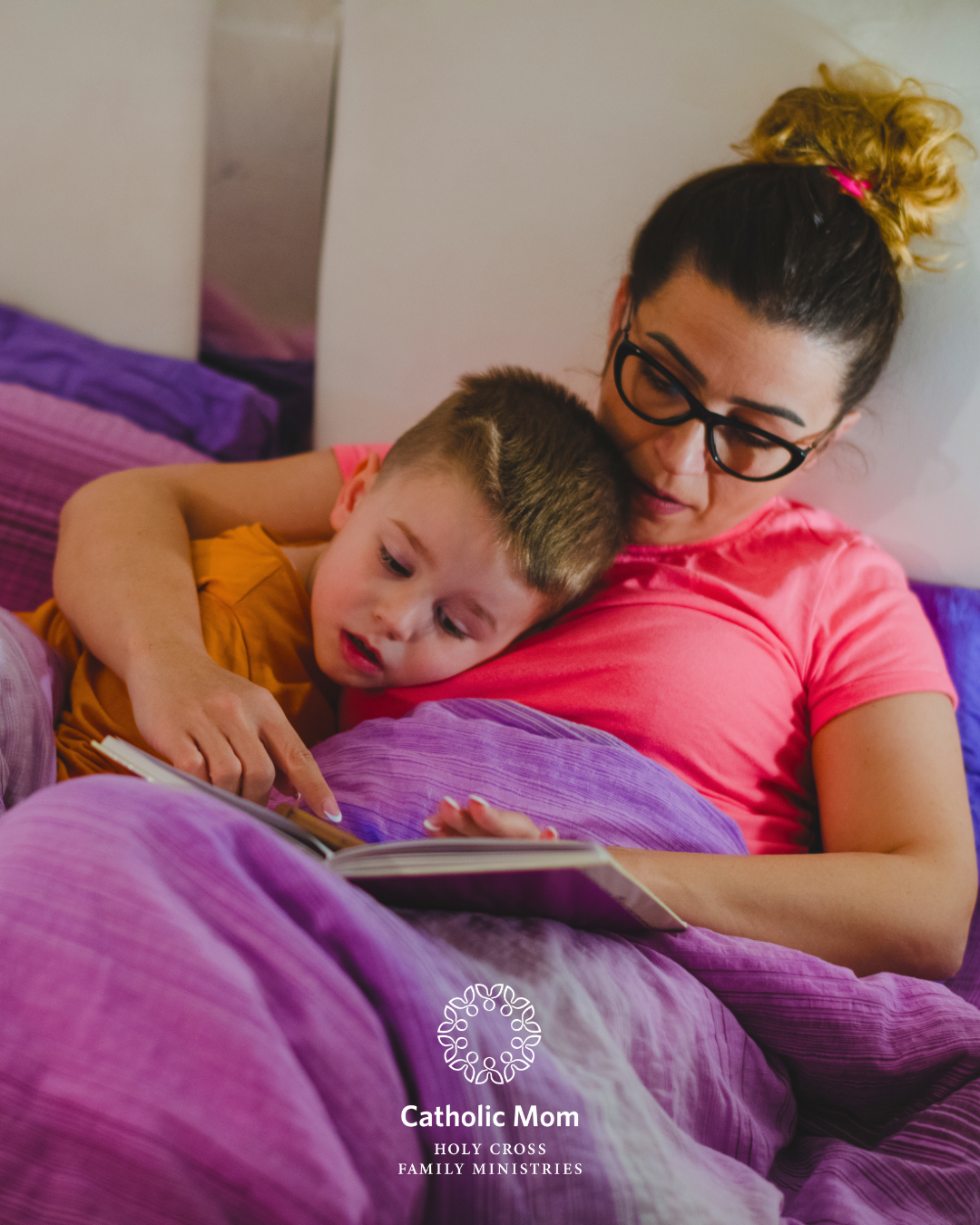
Apprehending what we see and how we relate to it, as well as creating holy rituals, is the work of a lifetime. During these summer months, don’t overwhelm yourself by trying to get every aspect of your home life “perfect.” Just get started by reading a few good books, talking about what you are already doing, and then connect that to God. I bet you’ll find that God is already working away in your home, right where you live, in the ordinary aspects of your daily life. It just takes some imagination to see it, and these summer months are the perfect time to practice that.
Share your thoughts with the Catholic Mom community! You'll find the comment box below the author's bio and list of recommended articles.
Copyright 2026 Sarah Pedrozo
Images: Canva


About the Author

.png?width=1806&height=731&name=CatholicMom_hcfm_logo1_pos_871c_2728c%20(002).png "CatholicMom_hcfm_logo1_pos_871c_2728c (002)")


Comments