


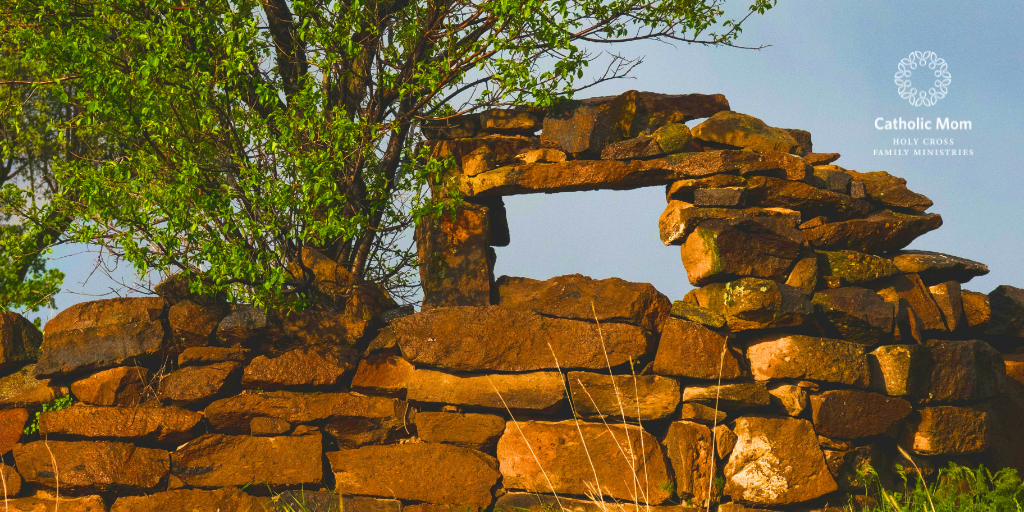
Michelle Hamel offers a meditation on Chapter 4 of the Old Testament book of Nehemiah.
Have you ever spent much time in the book of Nehemiah? Apparently, I spent a little time reading Nehemiah last year, which I forgot all about until I flipped through some of my older journal entries. Chapter 4 of Nehemiah had really resonated with me. In Nehemiah chapter 4, the Israelites have newly returned to Jerusalem and are trying to rebuild the wall around the devastated city. The groups surrounding Jerusalem didn't want them to rebuild and planned to attack, and there is a lot of discouragement and hopelessness among the Israelites.
"The strength of the burden-bearers is failing, and there is much rubbish; we are not able to work on the wall." (Nehemiah 4:10 RSV Second Catholic Edition)
Returning to Rebuild Their Lives
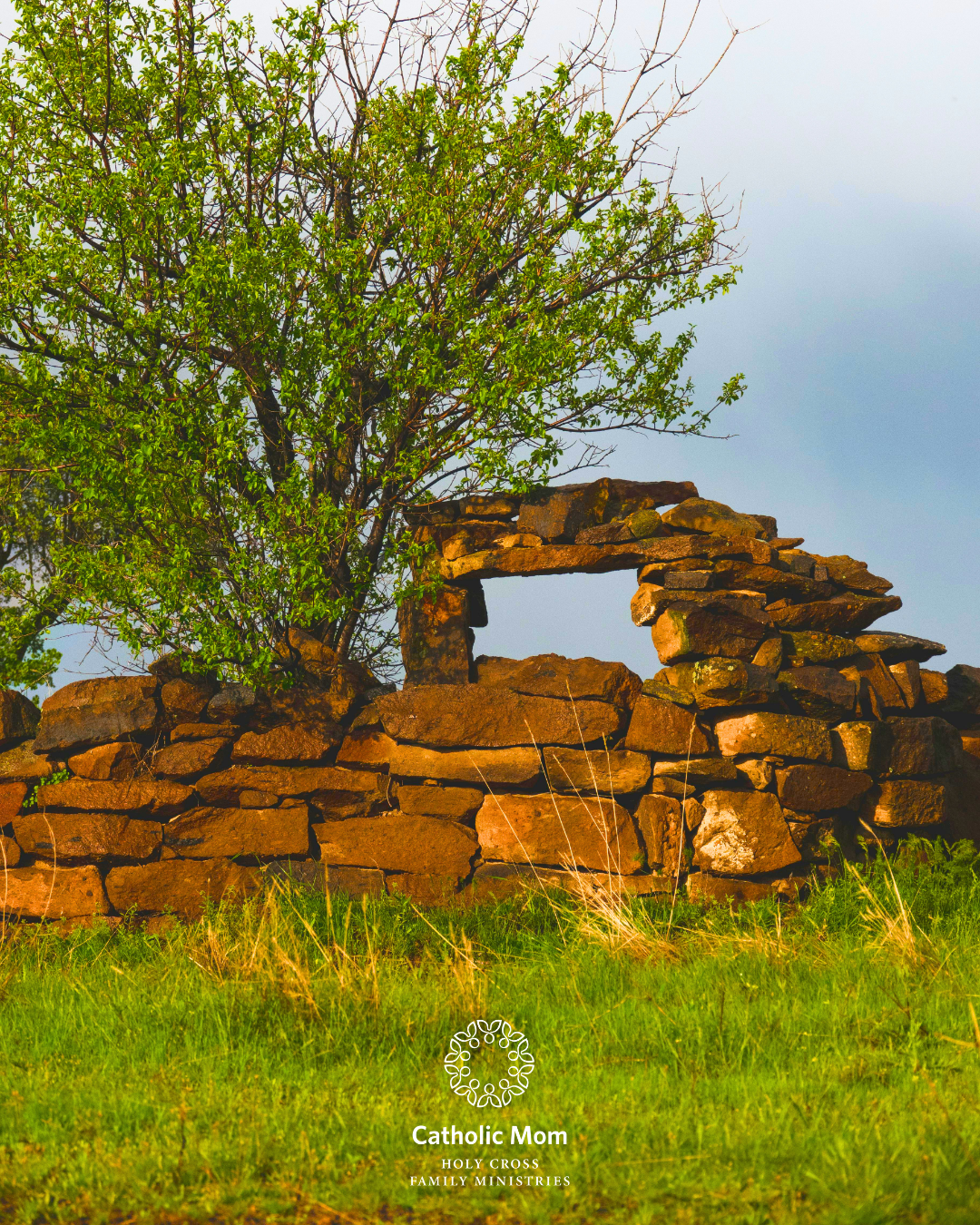
I was thinking about the hearts of the Israelite exiles who had finally been allowed to return and rebuild their city and the wall that would protect them. In returning, they would have had to face the physical ruins and all that they had lost. They must have been grieving for all that had been, the way that things used to be, and the people that were gone. They worked hard day by day, taking the damaged stones dug out from the rubble of their homeland and trying to make it new.
They were literally rebuilding their lives.
Isn't that the same for us when we go through something really hard? It can feel like a part of our lives, or even our heart, has been broken and shattered into unfixable pieces. We are grieving and hurting, and the process to work through and "rebuild" what is broken in our lives can feel overwhelming on the best days and hopeless on the worst.
The Israelites had toiled and pushed through to the point of having the wall built halfway, and that's when taunts and deceptions from the lands and rulers around them began (see Nehemiah 4:6). The Israelites "prayed to God, and set a guard as a protection against them day and night” (Nehemiah 4:9, RSV2CE).
The Israelites' enemies sought to crush them. That’s what happens to us when the evil one sees us making progress working through our own wounds. Rebuilding and healing take so much effort! It's not easy to go back to the painful moments in our lives and allow God to minister to the hurt. It's not easy to allow ourselves to hope again.
Moving Forward Amid Discouragement
So how did the Israelites keep moving forward when discouragement, anxiety over further destruction rose, and their hope started to waver? Well, Nehemiah set people by families in the low and open spaces in the wall, which were the weakest spots. He gave them strength in community, reminded them who they were fighting for, and, most importantly, reminded them that the Lord and His strength was with them.
"Do not be afraid of them. Remember the Lord, who is great and terrible, and fight for your brethren, your sons, your daughters, your wives and your homes." (Nehemiah 4:14)
God protected the Israelites and thwarted the enemy's plan.
Rebuilding continued until it was complete with more watchfulness, more protection, and a readiness to defend and fight. The foundation of the Israelites' plan for rebuilding was their trust in God and their reliance on each other.
When we are working with God to rebuild our own broken places in our lives, we also need to be aware of areas that make us susceptible to our enemy's attack. It's a little different for everyone, but some common areas of attack are our identity as beloved children of God, no matter what choices we've made or how badly we feel like we've messed up. Falling into self-sufficiency instead of depending on God to lead and provide for us. Not being willing to be vulnerable and ask for help from a loved one, friend, spiritual director, or therapist. (Just as Nehemiah set people by families by the weak points in the wall, we need friends and family interceding for us and supporting us.)
Nehemiah encouraged the Israelites by reminding them about God's strength and that they were rebuilding for their families. We need those reminders and encouragement, too.
The Israelites felt empowered after the encouragement. While they worked on the wall, the burden bearers worked with one hand and held a weapon in the other. The builders had a sword belted on their side. The man who held the trumpet stood beside them, ready to sound the alarm at any sight of their enemy so that everyone could come quickly and help (see Nehemiah 4:17-18). Their trust had greatly increased, and they believed: "Our God will fight for us"(Nehemiah 4:20).
We Don't Fight Our Battles Alone
When we are encouraged by others and feel like we don't fight our battles alone, our faith in God is strengthened. We feel provided for, loved, and cared for. We need people in our life to "blow the trumpet" when they see the enemy sowing lies into our woundedness. We need to hold "weapons" in our hands: in particular, receiving the sacraments, and using our Bibles and our rosaries. God's truth in His Word will dispel the enemy's lies, and Mary will fight with us and keep us close to her Son. Our Guardian Angel and the Saints that we feel drawn to (because they have chosen us!) are our allies as well. We need to call on them for assistance and use the stories from their lives as inspiration.
Working through grief and rebuilding our broken places takes courage, humility and time. Especially time. God’s efficiency isn’t our efficiency. We get frustrated that we aren’t healing enough but that’s because we need to give our heart time to feel safe enough. Love is patient. love is kind. Jesus is that to us. We need to internalize kindness, patience and gentleness towards ourselves and allow our hearts to go at a pace they are ready for. I don’t know about you, but I’m not really good at that! My internal demands don’t sound much like kindness, patience and gentleness most of the time. I just want to get rid of the hurt … but that process is one of patience.
But just as Nehemiah reminded the Israelites, I will “remember the Lord.” And as God’s Word promises, “My God in his steadfast love will meet me” (Psalm 59:10, RSV2CE).
Share your thoughts with the Catholic Mom community! You'll find the comment box below the author's bio and list of recommended articles.
Copyright 2026 Michelle Hamel
Images: Canva


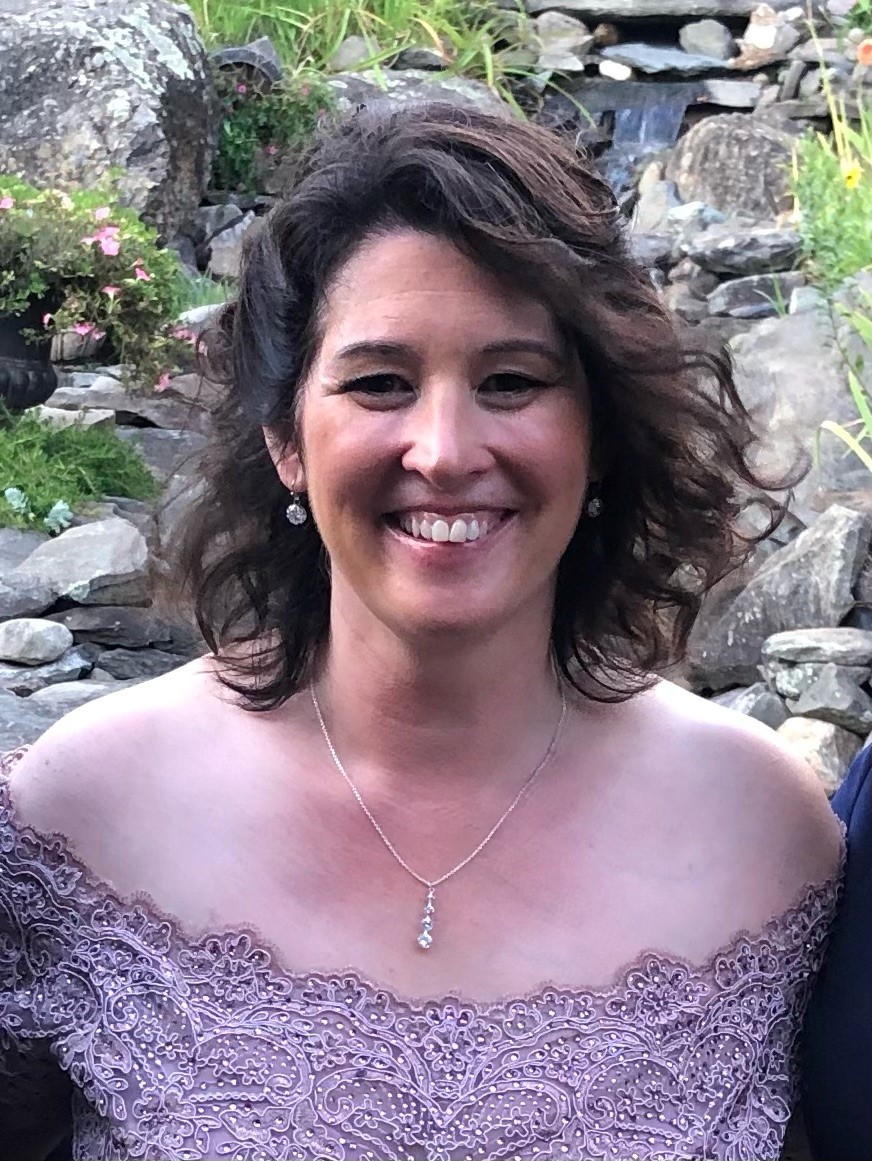
About the Author

.png?width=1806&height=731&name=CatholicMom_hcfm_logo1_pos_871c_2728c%20(002).png "CatholicMom_hcfm_logo1_pos_871c_2728c (002)")


Comments