


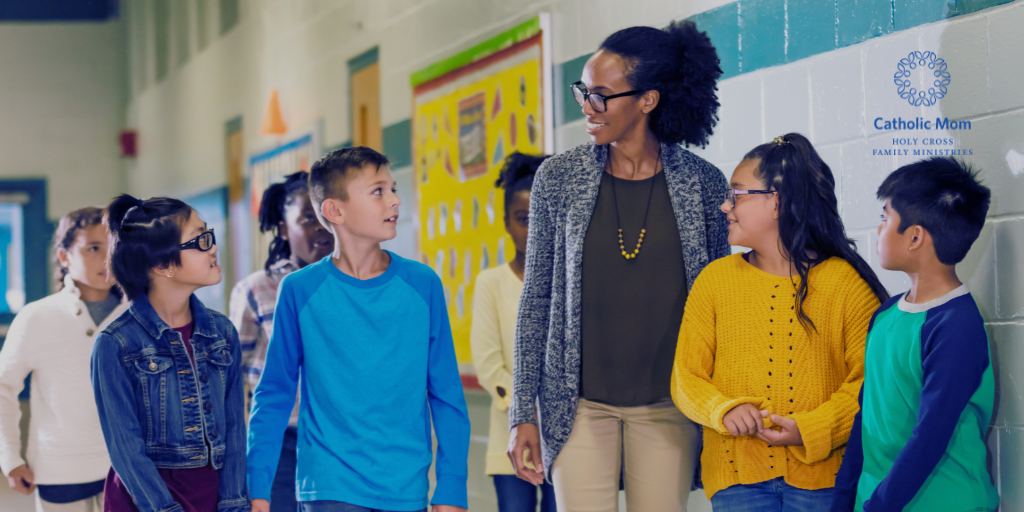
Are there potentials in children that can impact the quality of adulthood? Sarah Torbeck offers some observations from the memory vault of her teaching career.
As a former teacher, it is often gratifying to watch former students become leaders and exemplary human beings.
I don’t mean to imply that these qualities are a direct consequence of my teaching and/or example. Rather, this is an observational narrative regarding the characteristics a teacher, coach, or parent might observe — as predictors of future success.
Allow me to tell you about Micah.
Micah
He was big for his age, with dark, short-cropped hair and an infectious smile.
His assigned seat was in the middle of the classroom — which suited him, I believe. The other children tended to look up to him; not because he had done anything truly heroic (yet). Rather, it was the demeanor of this boy who was comfortable in his own skin. He never took himself too seriously, and he was always ready to laugh or crack a joke when appropriate (most of the time).
And he was exceedingly kind. I watched him carry books or lunch bags for children who had occasional, nominal injuries. I still recall his somewhat bulky figure loping down the hallway, regaling an injured student with stories about his football games or the crazy antics of his little sister.
Micah was brimming with youthful optimism, and it has been my experience that children who radiate optimism tend to affect those around them. Micah loved life, but he loved his family and friends equally.
Still, it would be one particular event, on a stormy afternoon in April that would cement Micah into this old teacher’s memories … forever.
Ominous Skies
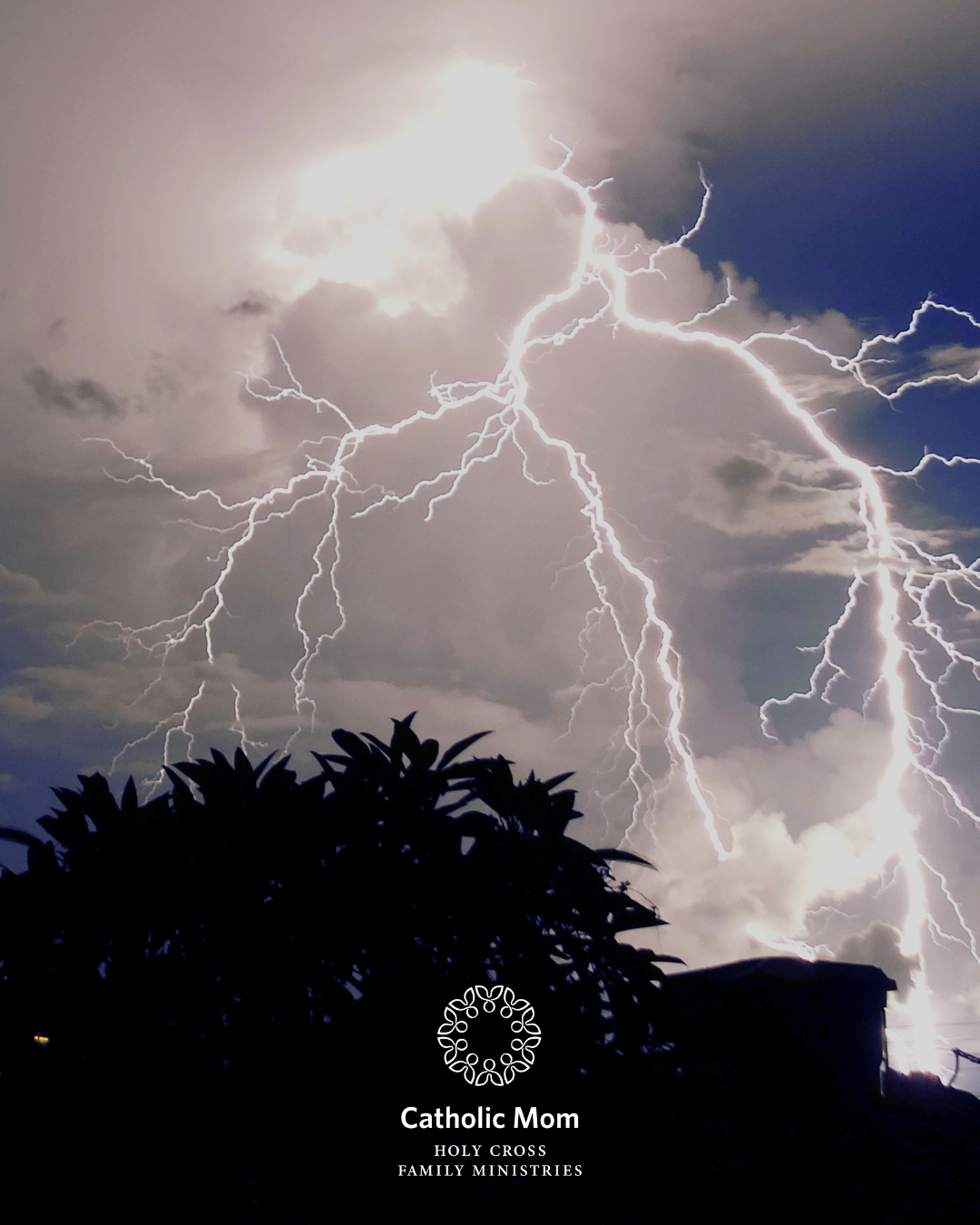
Spring weather in the mid-Atlantic region is dynamic, and it tends to bring chaotic and even dangerous weather, as it tumbles over the Appalachians. This was the condition that had settled over our area one afternoon, and I called on Micah to close the classroom windows against the approaching storm.
I noticed that my students were uneasy, and I began to speak to the class in soothing tones — when suddenly the sound of our principal’s voice crackled over the intercom system. Her announcement was short and obscure: “T-bell.”
I stiffened. The faculty and staff had been trained to respond to this cryptic warning. It meant that a tornado was on the horizon, and we had minutes — perhaps seconds — to get into an emergency posture.
Trying to sound calmer than I felt, I hastily lined up my students, as we made a quick exit toward the basement of our school building.
The halls were eerily silent, despite the crowded hallway, as the entire student body descended into the belly of the school. I hastily lined my students against opposing walls and had them sit facing each other.
Then … we waited.
Soon, a second warning came over the intercom: “T-bell imminent.”
The air was electric, but I spoke with an authority I did not feel — and ordered my students to bend down and place their hands over their heads.
They complied soundlessly.
I walked to the front of my terrified class and took a protective stance. My principal arrived with a chair, but I declined. I was too nervous … and scared.
An Act of Self-Sacrifice
I don’t really know how much time passed, but I suddenly realized that Micah was raising his hand wildly, trying to catch my eye.
I looked at him and nodded, as he motioned for me to come over to him. Concerned, I quickly walked down the row and bent down to Micah’s level.
“What do you need?” I asked.
“Mrs. T.,” he whispered. “It’s dangerous where you are. Let me switch places with you.”
I was stunned at first, and then overwhelmed by the sacrificial nature of this 10-year-old boy. I shook my head, and said, “No thank you, Micah, but I appreciate the offer.”
Micah hesitated and then said, “No, really, Mrs. T. Let me take your place.”
I smiled and put my hand on his shoulder. “No, Micah,” I whispered. “I need you to be safe.”
“And I want you to be safe, Mrs. T.”
I smiled again, shook my head and walked back to my place.
The tornado came … but it missed us by one mile.
We were safe, and everyone made it back to the safety of their classrooms, and homes — but I never forgot that afternoon.
The Predictors of a Fulfilling Life
Micah found me on Facebook several months ago, and I was able to see that he had grown into a responsible family man. He’s in law enforcement now, with a loving family … and a profound faith in God and His Church.
Everything you want your children and students to be.
In my experience, the former students who established meaningful, productive lives as adults often exhibited the virtues of compassion and self-sacrifice as children.
I don’t wish to imply that a child or student must have the desire to sacrifice his life for someone else, but the heroic virtue of self-denial begins with compassion, and concern for the welfare of others — at the expense of one’s own comfort.
Empathy is the life skill that we must teach our children. It may not always occur naturally, but it can be taught; and it is essential now more than ever in this current world of excess and self-involvement.
Empathy is the antidote to self-absorption, a predictor of well-being …
… and the lifeblood of heroism.
Share your thoughts with the Catholic Mom community! You'll find the comment box below the author's bio and list of recommended articles.
Copyright 2026 Sarah Torbeck
Images: Canva


About the Author

.png?width=1806&height=731&name=CatholicMom_hcfm_logo1_pos_871c_2728c%20(002).png "CatholicMom_hcfm_logo1_pos_871c_2728c (002)")


Comments