


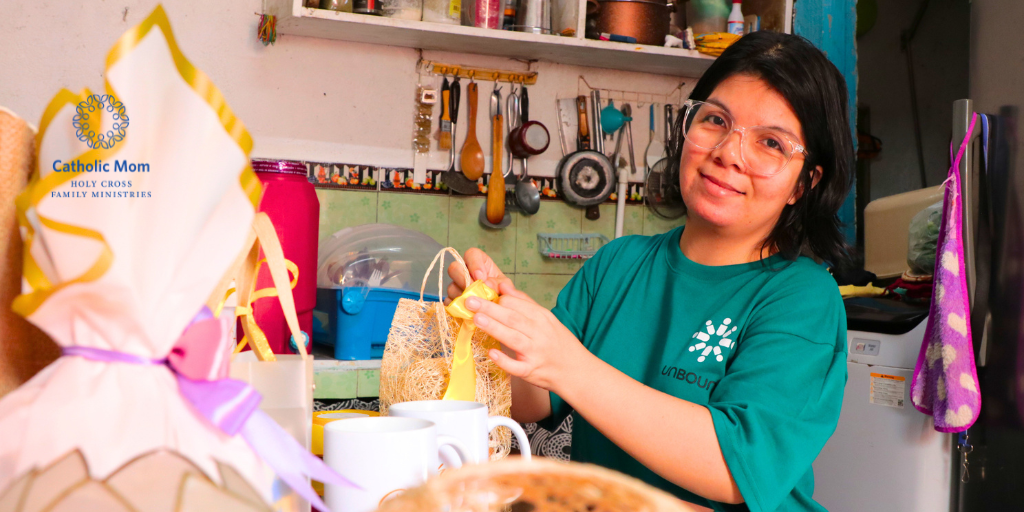
Tammy Marino of Unbound reflects on how she kept her kids unplugged from screens and plugged in to humanity when school let out.
By late June, many parents find themselves trying to strike a balance between keeping summer relaxed, joyful and memorable without letting it dissolve into endless screens, constant negotiations or a steady chorus of “I’m bored.” While unstructured time is a gift, too much of it can leave younger kids restless and disconnected.
As a mom of four, it took me a few summers to find a rhythm that worked for our family. A light weekly routine, as opposed to a rigid schedule, provided just enough structure to keep the family grounded while preserving the freedom that makes summer special.
We called it our “Summer of Fun,” and here are some of the ways we made it happen that might resonate with others:
-
Make it Monday was a day to craft, bake or create. It didn’t always require a trip to the store. Sometimes we used whatever supplies we had on hand — Q-tips, paper plates, yarn — and sometimes it meant the kids brainstorming and writing a play or choreographing a dance.
-
Take a Trip Tuesday meant short, simple outings like hitting the library or the local museum or just running some errands. The experience trumped the destination as we enjoyed family-favorite tunes in the car and getting a refreshing change of scenery.
-
Wing it Wednesday invited the kids to embrace their boredom so they could develop the ability to entertain themselves. While a full week of “winging it” could be overwhelming, setting aside one day for kids to decide how to spend their time fostered independence and creativity.
-
Thinking Thursday was all about using our brains. Reading books, writing letters or building with blocks to explore basic engineering concepts helped keep young minds engaged and pushed back against the dreaded “summer slide.”
-
Friendly Friday focused on relationships. Inviting friends over, meeting up at the local pool or pottery painting studio or going to a movie together encouraged the kids to build friendships outside their immediate family.
Turning One Day into Dignity Day
Within that weekly flow, Thinking Thursday sometimes evolved into what we called “Dignity Day,” a gentle opportunity to widen our children’s understanding of the world.
For younger children, this might mean reading a story about a child in another part of the world, finding that place on a map or imagining what daily life looks like elsewhere: school routines, meals, family traditions and celebrations. For a time, we had a subscription to Little Passports, an engaging way to explore the world together.
With older children, these conversations naturally deepened into discussions about fairness, opportunity and responsibility, and how families in different places solve problems and support one another.
The goal was never to overwhelm or create guilt, but to help our children recognize that the world is bigger than their immediate surroundings.
Moving Beyond Helping as the End Goal
Many parents hope to raise “helpers,” children who are kind, generous and quick to pitch in. While all of these are good traits, when helping becomes the end goal, it can remain surface-level. A child can learn to help without ever truly understanding the dignity of the person in front of them.
The deeper challenge is to raise children who recognize that every person, regardless of circumstance or geography, has inherent worth. As Genesis 1:27 reminds us, “God created mankind in his image; in the image of God he created them; male and female he created them.”
Thanks to summer’s gift of time, we can seize the natural opportunity to begin shaping that vision. When children encounter the wider world primarily through the lens of “helping,” they can unintentionally absorb a simplified narrative: Some people have, and some people need.
A dignity-centered approach reframes the focus. Instead of asking, “What can we give?” it wonders, “Who is this person? What is their life like? What are they building?”
Children begin to see that people are not defined by need, but by their humanity — their work, ingenuity, relationships and hopes. From that perspective, generosity becomes something deeper and more enduring.
Goals, Dreams, Work, and Possibility
One of the most accessible ways to explore dignity with children is through goals, dreams and work. Children understand wanting to become or achieve something when they grow up. They also understand working to care for a family.
Around the world, many parents do exactly that by starting small businesses selling food, making goods or offering services to meet needs in their communities. Talking with children about these efforts invites them to imagine what they might create or sell, how they would take care of customers, and the potential challenges and rewards of entrepreneurship. This framing fosters respect and understanding rather than judgment.
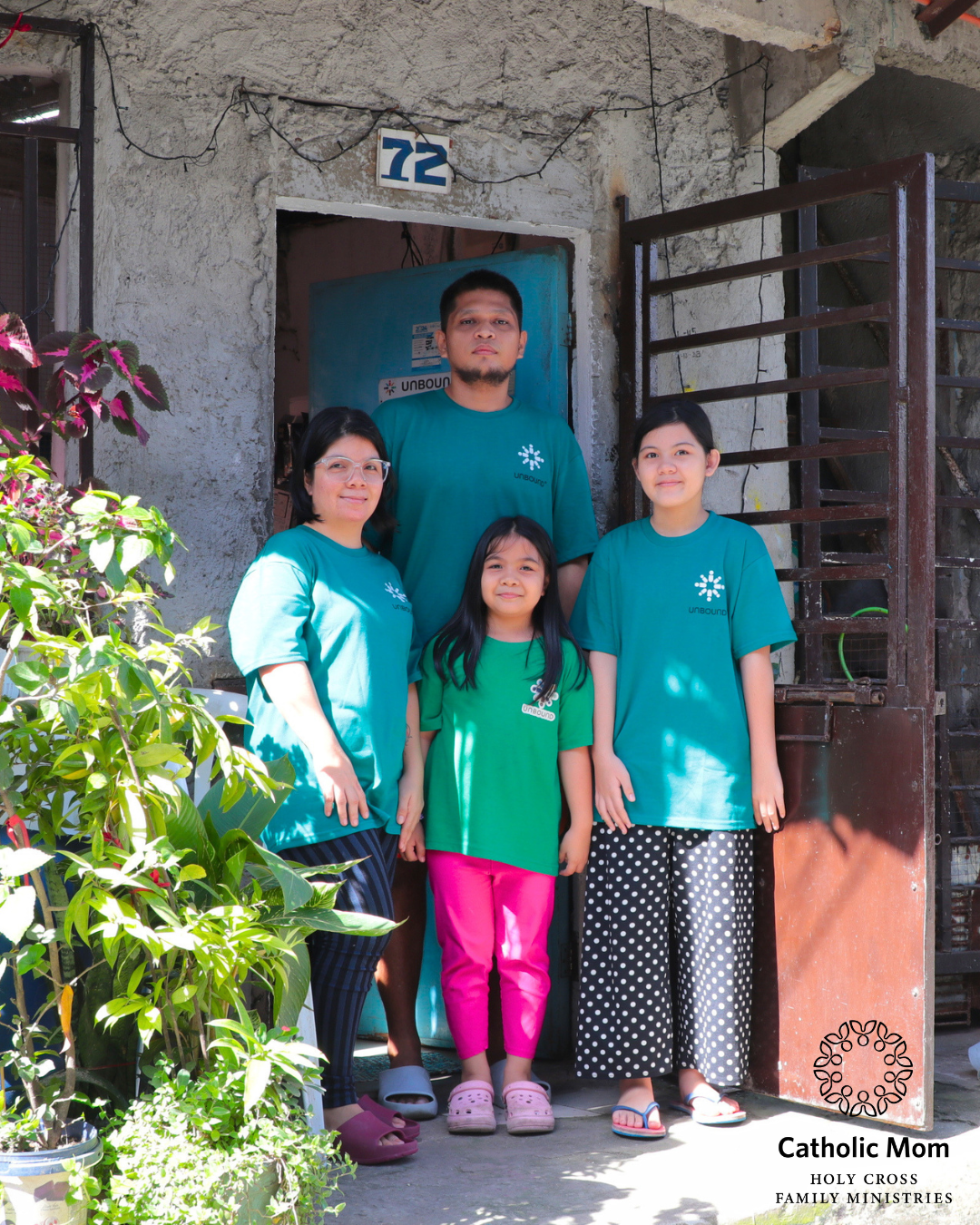
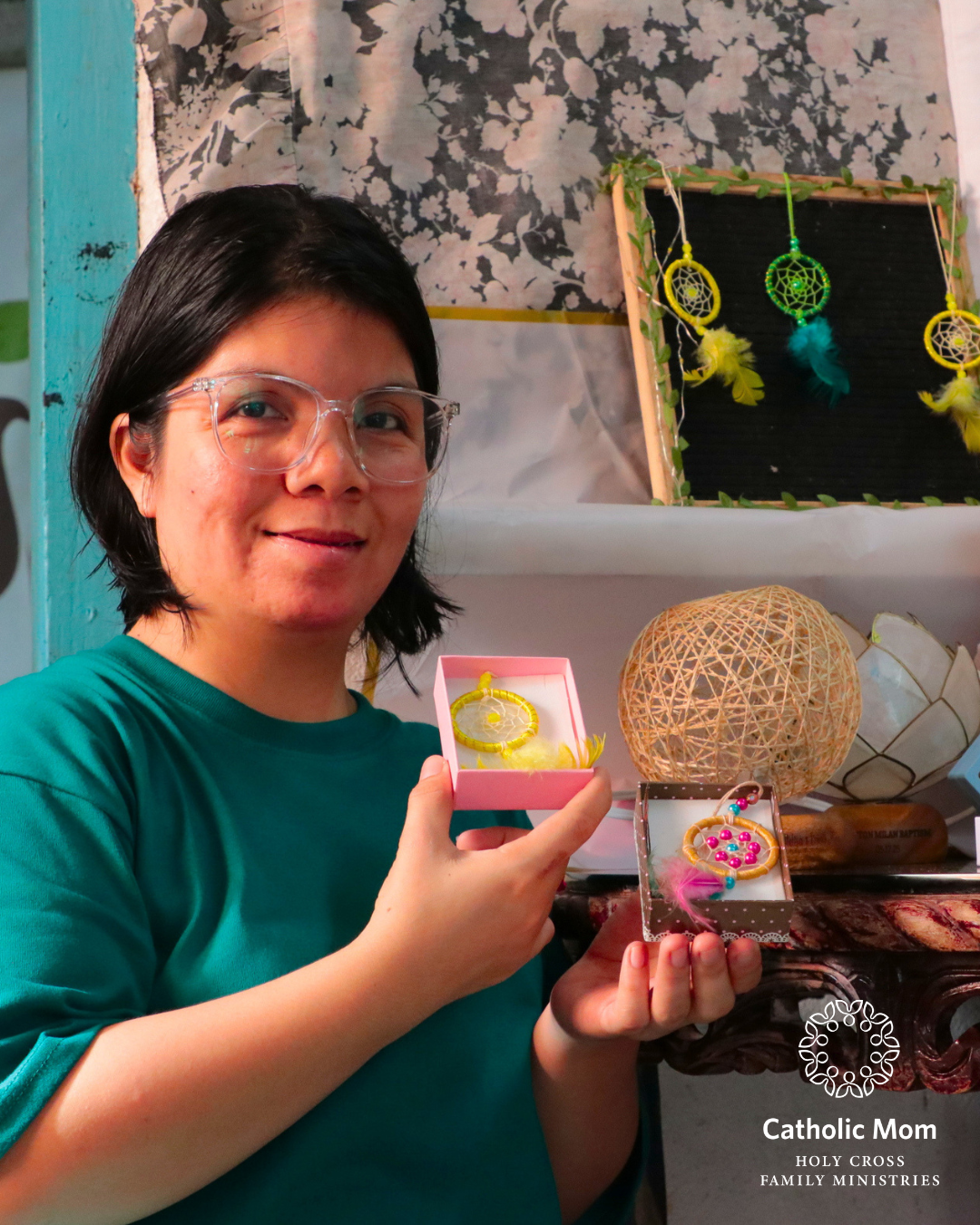
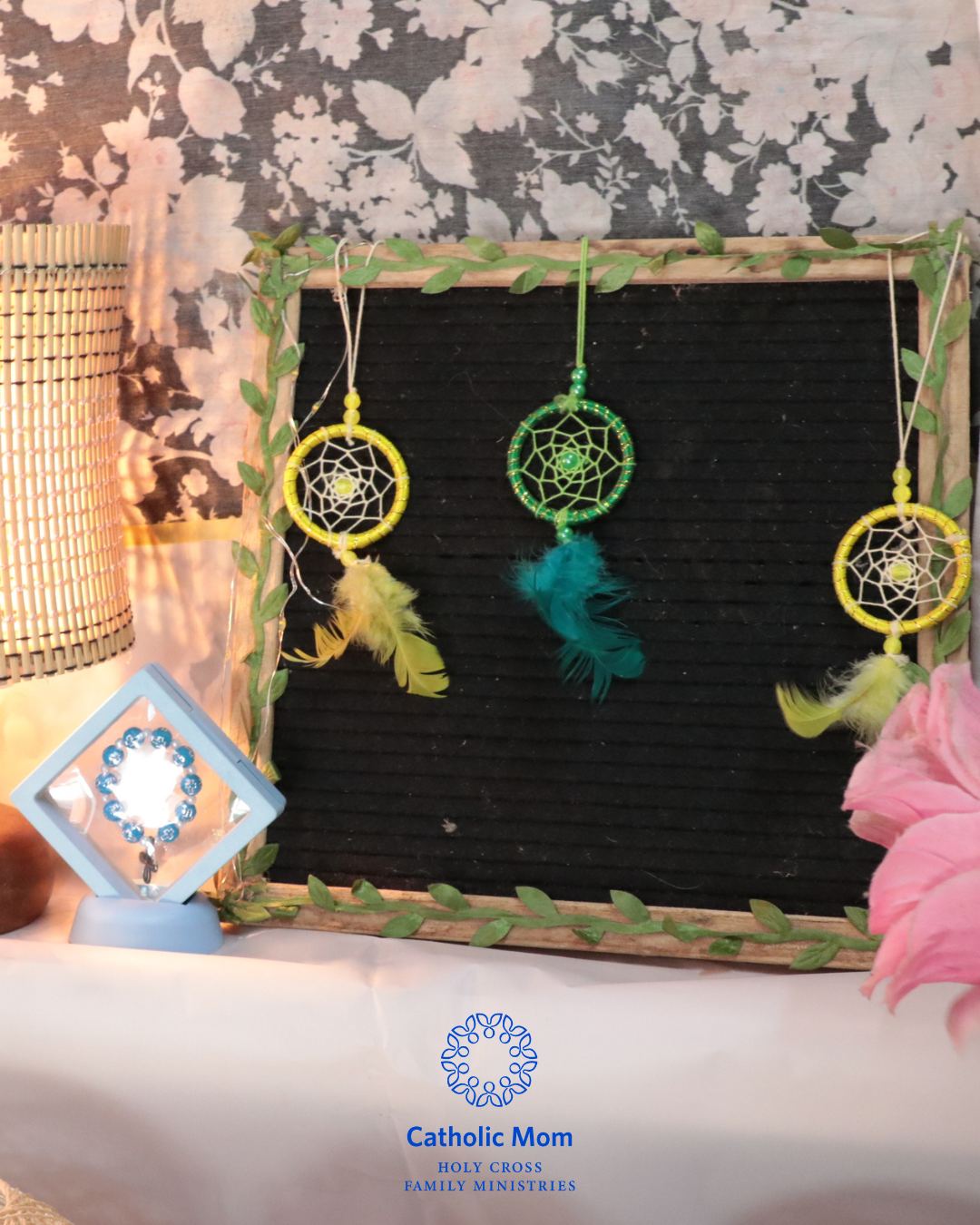
For children, these ideas come alive most clearly through real stories like that of Merry. Merry is a mom in the Philippines and a dedicated handicraft entrepreneur. Like many families in her community, Merry and her husband were working toward a path out of poverty. She started her business a few years back making dreamcatchers. Thanks to a recent small business grant from Unbound, she was able to purchase additional materials to make decorative lamps, bags, and mugs.
Now, her business is thriving, providing for her family’s expenses. Merry’s husband now helps her manage the business, and they have even been able to hire mothers in their community during busy seasons, helping other families who are experiencing poverty.
Micro, Small, and Medium-Sized Enterprises Day
This June 27 marks Micro, Small, and Medium-Sized Enterprises Day, a global observance highlighting how small businesses support families and strengthen communities. It is a natural entry point for conversations with children about how people work, create and build paths forward for their families. Supporting those efforts isn’t just an act of generosity but a way of recognizing the dignity present in that work.
You might even encourage your kids to try a small business of their own. Opening a stand to sell lemonade, homemade origami or hand-painted shells collected on a beach vacation can teach them firsthand about creativity, pricing, effort and perseverance. Along the way, consider connecting these lessons to how entrepreneurs use earnings to provide their families with safe housing, access to education and proper nutrition.
Finding Formation in the Ordinary
This kind of formation doesn’t require adding more to an already full summer. In fact, it works best when it’s woven into the ordinary through a predictable weekly rhythm, slower days for reflection and simple open-ended conversations.
Over time, these small practices begin to shape how children see the world. They ask better questions. They make meaningful connections. And they grow more attentive to others.
Raising children who understand dignity ensures that they will see that every person is made in the image of God, that each life holds value and that true generosity flows from respect rather than obligation.
With just a hint of structure and a spirit of curiosity, summer becomes fertile ground for forming children who live out Catholic social teaching by honoring the dignity of every person and the value of work.
Share your thoughts with the Catholic Mom community! You'll find the comment box below the author's bio and list of recommended articles.
Copyright 2026 Tammy Marino for Unbound
Images: copyright 2026 Unbound, all rights reserved.


About the Author


.png?width=1806&height=731&name=CatholicMom_hcfm_logo1_pos_871c_2728c%20(002).png "CatholicMom_hcfm_logo1_pos_871c_2728c (002)")


Comments