


Caroline Godin reviews some ideas for preparing young children for their first Holy Communion.
As we come through Lent, we’re getting closer to Easter. Easter means First Communion season. This year, I have my youngest in second grade and I’m teaching his religious education class.
This sacrament year is more than pretty white clothes and a party. The beauty of the Sacrament of the Eucharist involves complicated concepts such as transubstantiation, one of the mysteries of our faith. So how do we teach this to the little ones preparing for their first Communion?
It doesn’t have to complicated when it comes to the children. They can learn more deeply later. Here’s what’s worked for my family and my current religious education students.
God’s Great Love
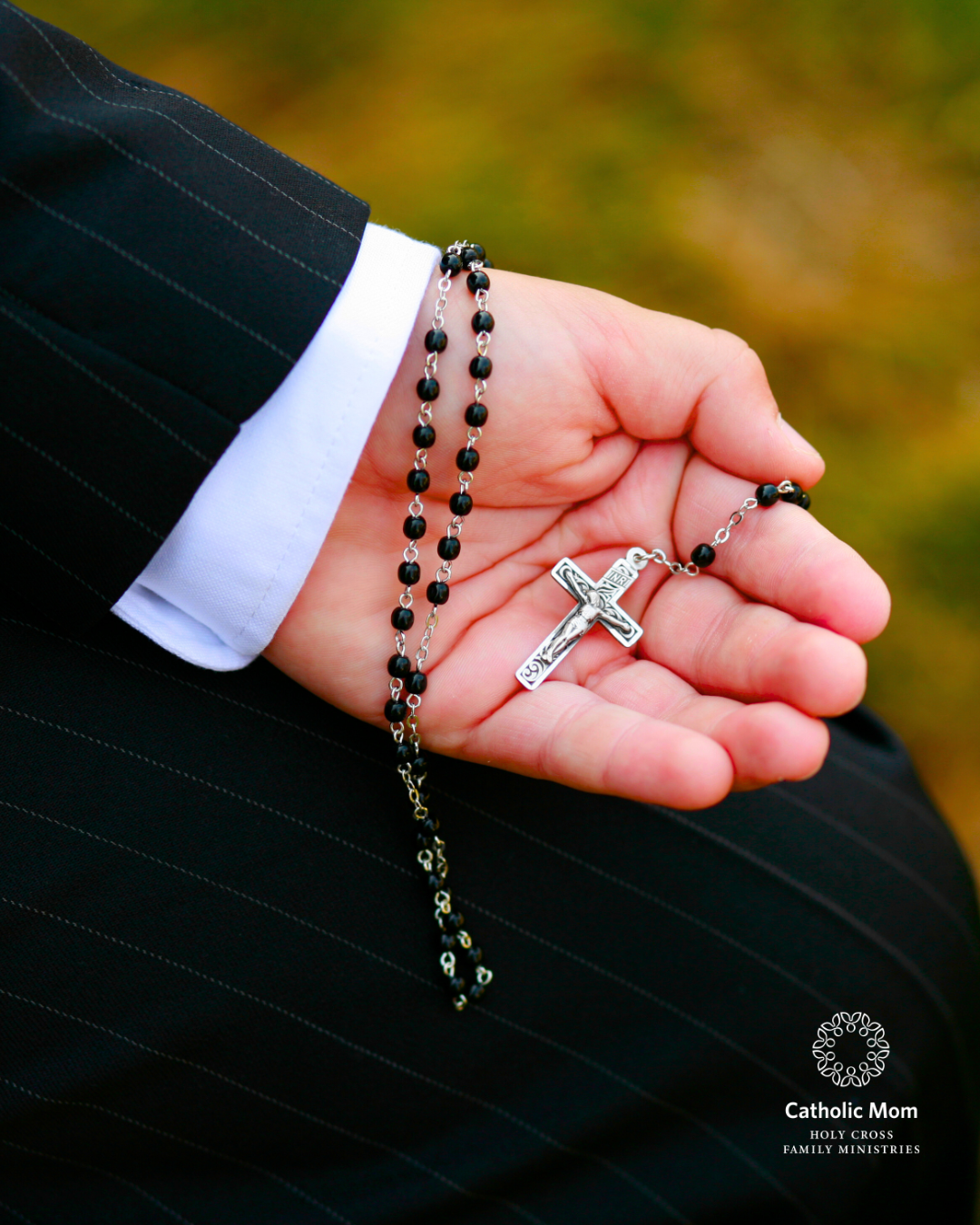
It starts with teaching them of God’s great love right from the beginning. When my children were babies, I would whisper Jesus loves you in their ears as they fell asleep. As they grew, I’d remind them to acknowledge Jesus when driving by a Catholic church. All the while, they need to learn God is our loving Father and He provides for us.
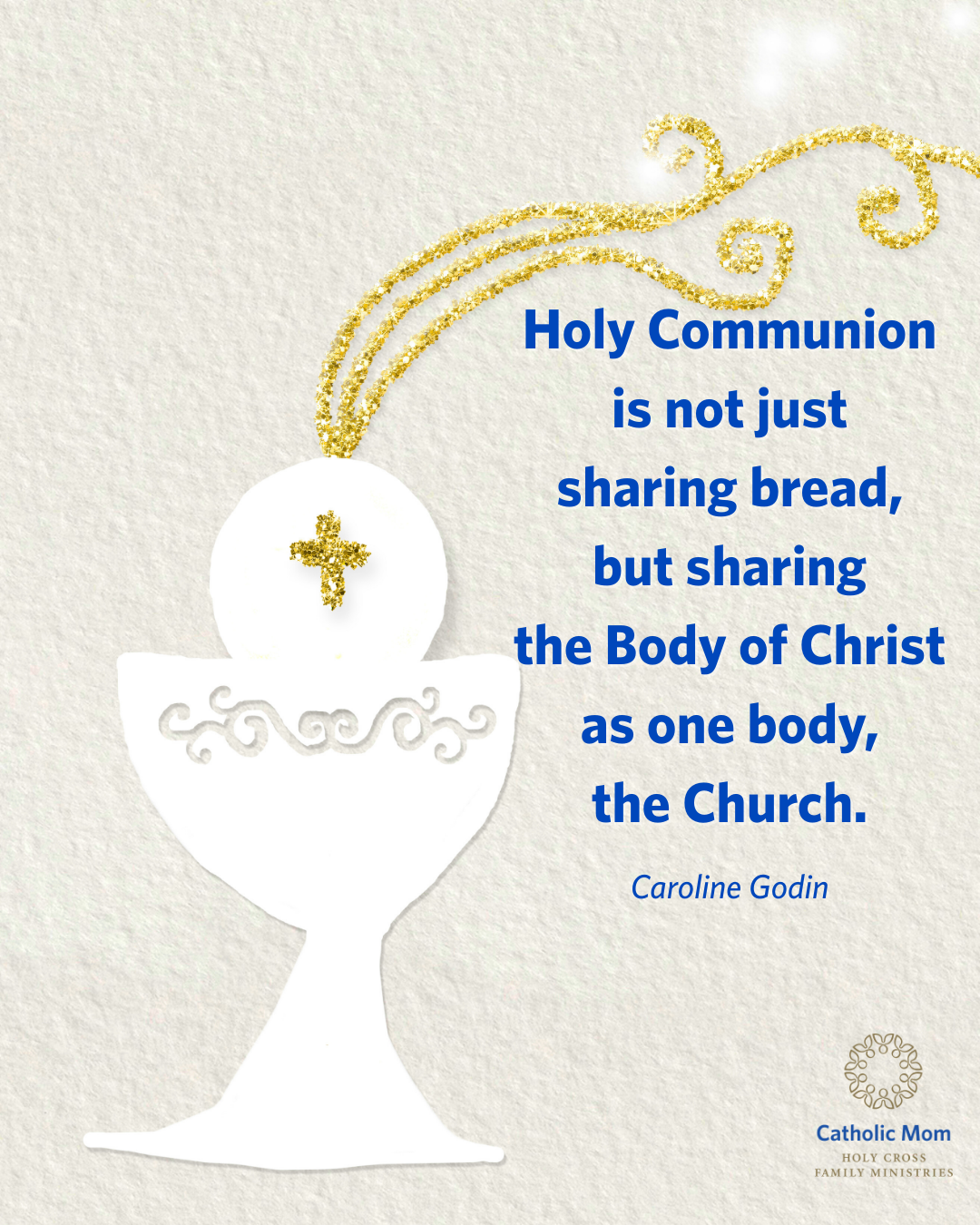
When they start to get ready for their Sacrament year — grades differ in each diocese, second grade for ours — they start to learn that the Eucharist is a gift. They begin to understand that Holy Communion is not just sharing bread, but sharing the Body of Christ as one body, the Church. Emphasizing love is paramount to preparation for their first Communion.
Reconciliation
Some people think this part is tricky. First Confession, Penance, Reconciliation … What does a 7-year-old have to confess? For some little ones, it’s hard, but it’s less about guilt and more about grace.
It comes back to love. When we love each other, we want to reconcile. They learn to say they’re sorry at a young age. Now that they’ve learned God loves them, and they love Him, they’ll understand the concept of saying sorry to God.
I keep it simple for my kids. I give examples of sneaking a cookie or playing and breaking something. I even give examples of losing one’s temper. Think of reasons a child might need to say "sorry." They don’t likely have anything major to confess, but the idea is to teach them the process.
My students went through mock Confessions with me. To emphasize that Confession is confidential, they were instructed to say, “I’m confessing my sins,” during the confession part. That way, they could practice without having to come up with what to say to me. Later, they went home with a piece of paper which had the process and a space to write their sins. This allowed them time to decide what to say and something to read it from in the moment. They could also read the Act of Contrition this way.
Jesus in Disguise
Once they’ve learned to reconcile with God, they’re ready to prepare to receive Him.
The mystery of the bread and wine turning into the Body, Blood, Soul, and Divinity of Christ is beyond adults, so we can’t expect children to get it, can we? Maybe there’s a way to help.
I asked my students if they dressed up last October. Of course, they all shouted their costumes. They understand the concept of pretend pretty easily. So I explain that during the Eucharistic prayer, Jesus comes to the altar and hides in the bread and wine, making it no longer bread and wine but …
“The Body, Blood, Soul, and Divinity of Jesus!”
Yes, I made them memorize and repeat it. They love repeating, and shouting. I had to count to four emphatically on my hand to help them list it off. It worked.
Once they understood the Eucharist is Jesus in disguise, they understood a concept many adults miss: the True Presence. It’s a simple and beautiful way to teach the importance of the Eucharist. Now they know it’s not just a piece of wafer, but Jesus giving Himself to us.
Holy Sacrament
If we can land these lessons, we’re not just catechizing, we’re evangelizing. They start to know God loves them and love Him back. They understand they can come to the Lord in Confession and receive grace in forgiveness. Most importantly, they learn the beauty of the Eucharist and the holiness of the Sacrament.
It’s not just a party with pretty white clothes. It’s certainly not about getting money from relatives. It’s a special day they get to join in Communion with the Church.
Your Turn!
I hope you found some tips to help you prepare your kiddo for his or her first Communion. What other advice would you give to moms and dads preparing their kiddos?
Share your thoughts with the Catholic Mom community! You'll find the comment box below the author's bio and list of recommended articles.
Copyright 2026 Caroline Godin
Images: Canva


About the Author


.png?width=1806&height=731&name=CatholicMom_hcfm_logo1_pos_871c_2728c%20(002).png "CatholicMom_hcfm_logo1_pos_871c_2728c (002)")


Comments