


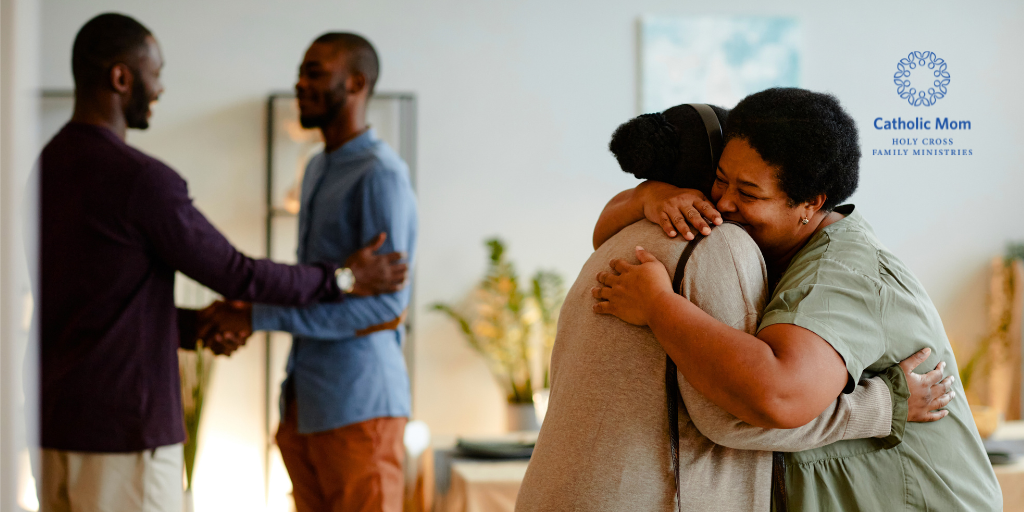
Gilda Rose Kalathil discusses the need to be hospitable to our new neighbors, regardless of their country of origin or the reason for their presence.
Our History
The Old Testament shows our ancestors as nomadic, moving from one region to another as willed by God. In those pages are written tales of suffering, rejection, conflict, and woe by the very nature of them being foreigners — strangers in a strange land.
“My father was a wandering Aramean.” (Deuteronomy 26:5)
God continually reminds His people not to forget this identity.
“You shall not oppress or afflict a resident alien, for you were once aliens residing in the land of Egypt.” (Exodus 23:9)
Our own history as migrants must shape our response to others. This biblical command is affirmed by the Church: “The equality of men rests essentially on their dignity as persons and the rights that flow from it.” (CCC 1935)
In the New Testament we see Joseph leaving his town and journeying. Jesus was born away from the home of His parents. They are then refugees in Egypt, where Joseph had to reestablish himself in his trade and earn a living until they could finally return. Reflecting on this, Pope Francis wrote, “The Holy Family of Nazareth, in fleeing to Egypt, is the archetype of every refugee family.” (Evangelii Gaudium)
Jesus Himself walked great distances, and soon after His disciples to share the Good News:
“Go, therefore, and make disciples of all nations.” (Matthew 28:19)
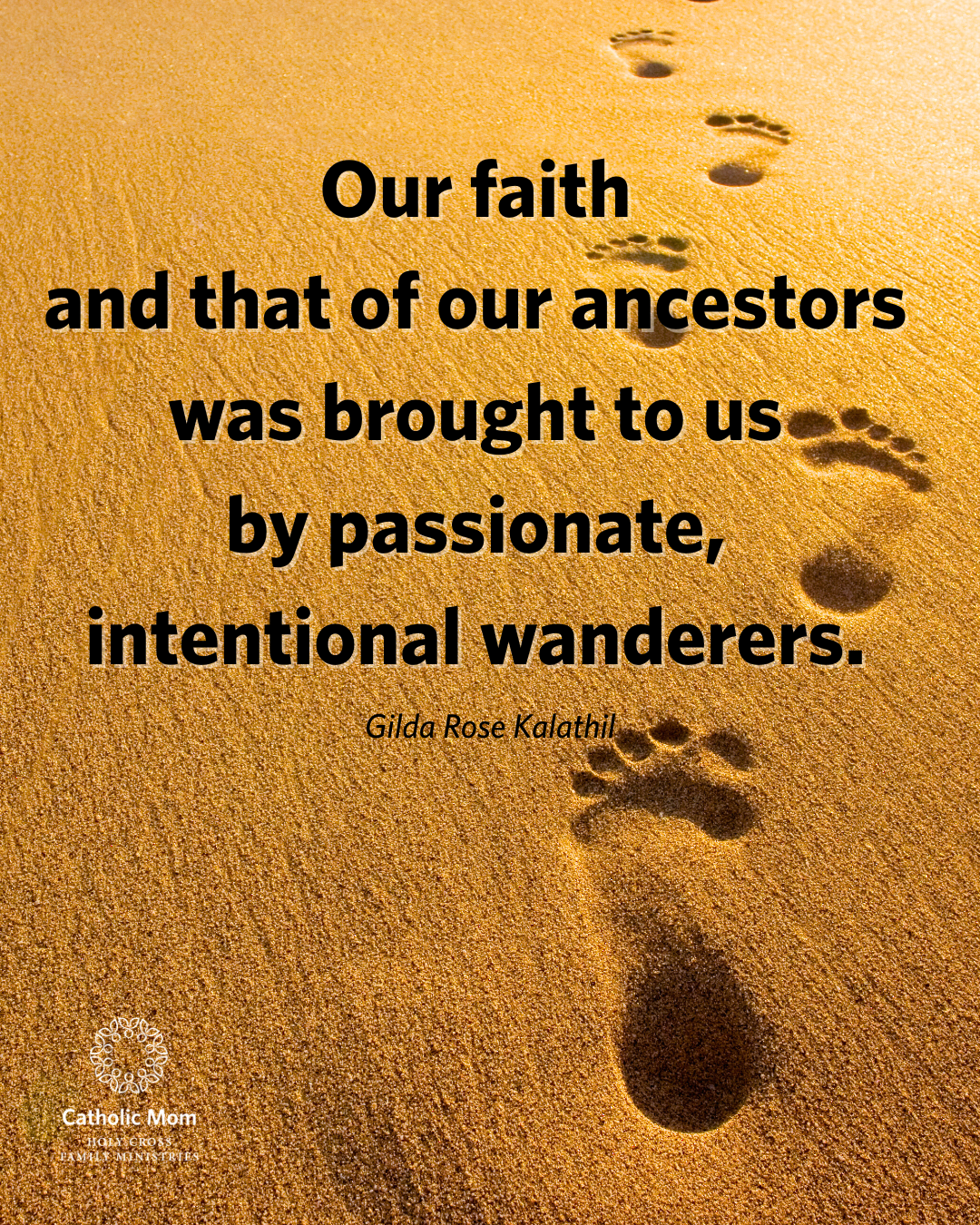
Our faith and that of our ancestors was brought to us by these passionate, intentional wanderers. Pope Francis reminds us that the Church herself is always on the move, “The Church is a people on the move, a pilgrim people.” (Evangelii Gaudium)
Our Present
And yet even today, as before, we still encounter racism, prejudice, and discrimination. I speak as someone who encountered this even within the Catholic Church.
For six years I lived overseas. My experience both challenged and broke me. Out of respect for the community of the region, I will not share any details. I travel widely and have had mixed experiences even when "just visiting." Given below are my learnings and reflections from my lived experience.
Learnings and Reflections
Migrants are also part of God’s body.
For in one Spirit we were all baptized into one body, whether Jews or Greeks, slaves or free persons, and we were all given to drink of one Spirit. (1 Corinthians 12:13)
Migrants are not outsiders to the Church; they are members of the Body of Christ. Catholic Social Teaching affirms that every human person possesses inherent dignity that does not depend on nationality, language, or legal status.
So then you are no longer strangers and sojourners, but you are fellow citizens with the holy ones and members of the household of God. (Ephesians 2:19)
When you see them once, smile. When you see them regularly, reach out and offer your warmth and support.
Being in a new place can be unnerving, and sometimes things and services that seem commonplace and natural to a local may not be so evident to someone newly arrived.
Do not neglect hospitality, for through it some have unknowingly entertained angels. (Hebrews 13:2)
When they are part of your parish, include them in the liturgical living of your church.
They want to belong. They have strengths, gifts, and experience and could be great contributors to your community. They can bring vibrancy into your regular activities with their ideas.
As each one has received a gift, use it to serve one another as good stewards of God’s varied grace. (1 Peter 4:10)
Invite them for family functions and celebrations of the sacraments.
It is often quite lonely not to have special occasions to be part of, occasions they normally would share with loved ones in the country they call home. The Catechism speaks of this shared life, “The human person needs to live in society. Society is not for him an extraneous addition but a requirement of his nature.” (1879)
Be aware that there are many reasons for studying or working abroad.
It isn’t always an easy decision. Suspend your judgement and be genuinely curious and supportive.
Welcome one another, then, as Christ welcomed you, for the glory of God. (Romans 15:7)
Pope Francis urged, “Only a culture of encounter can build a more fraternal world.” (Fratelli Tutti)
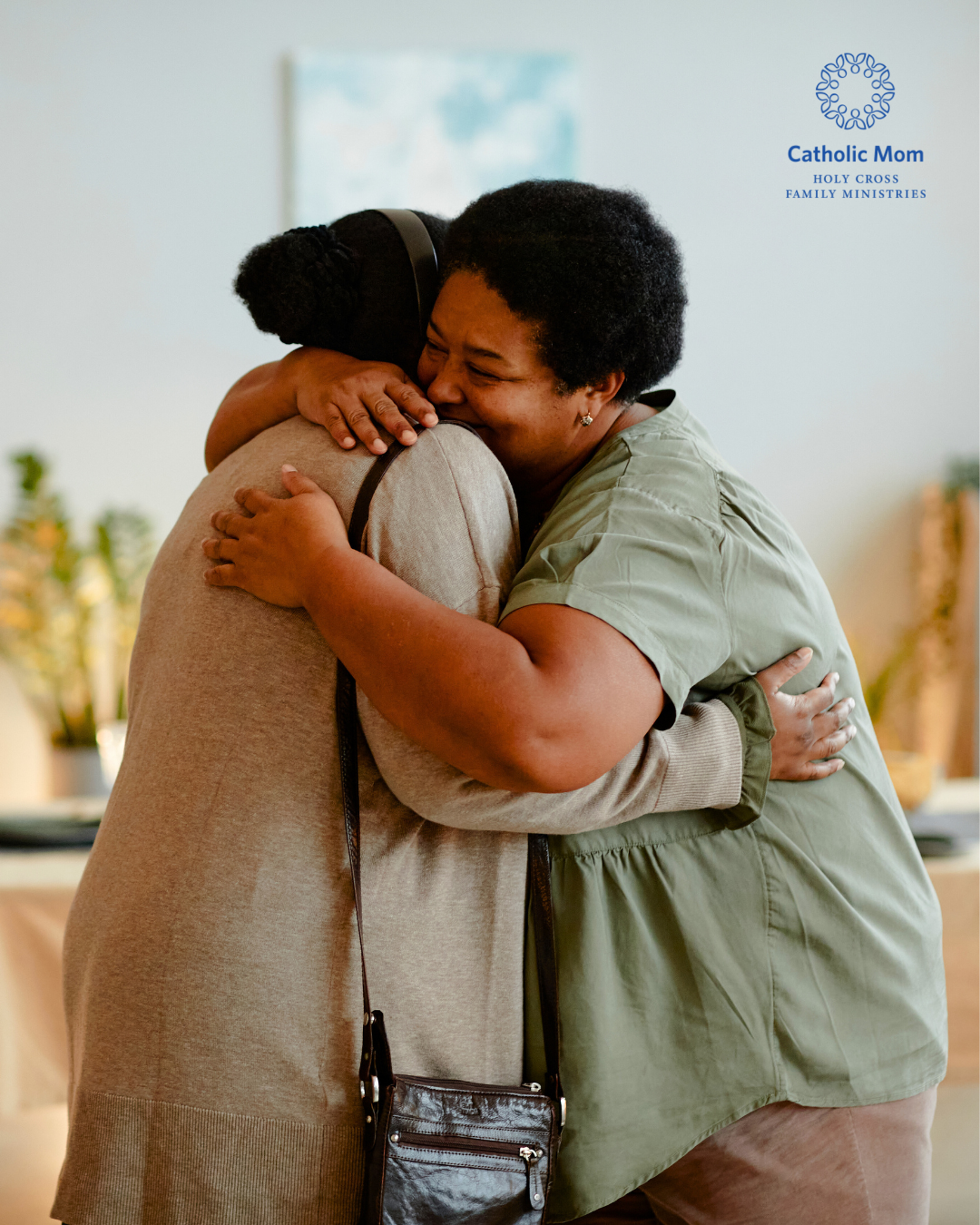
These things came naturally to me watching my father. He would always reach out to the new people at our parish especially if they were standing alone after Mass. He would invite them home for a meal especially on feast days, connect them to resources, check-in with them and ensure they transitioned well.
To me this was normal. It was only later that I realised that it wasn’t something that came naturally to people. I am grateful for what I learned from him, grateful to have been on the other side and grateful that both these experiences guide my responses.
Share your thoughts with the Catholic Mom community! You'll find the comment box below the author's bio and list of recommended articles.
Copyright 2026 Gilda Rose Kalathil
Images: Canva


About the Author

.png?width=1806&height=731&name=CatholicMom_hcfm_logo1_pos_871c_2728c%20(002).png "CatholicMom_hcfm_logo1_pos_871c_2728c (002)")


Comments